
The New Pond
New Pond Photos
More photographs from the new pond at Haye Farm. Information about the pond can be found in the Summer 2026 newsletter.
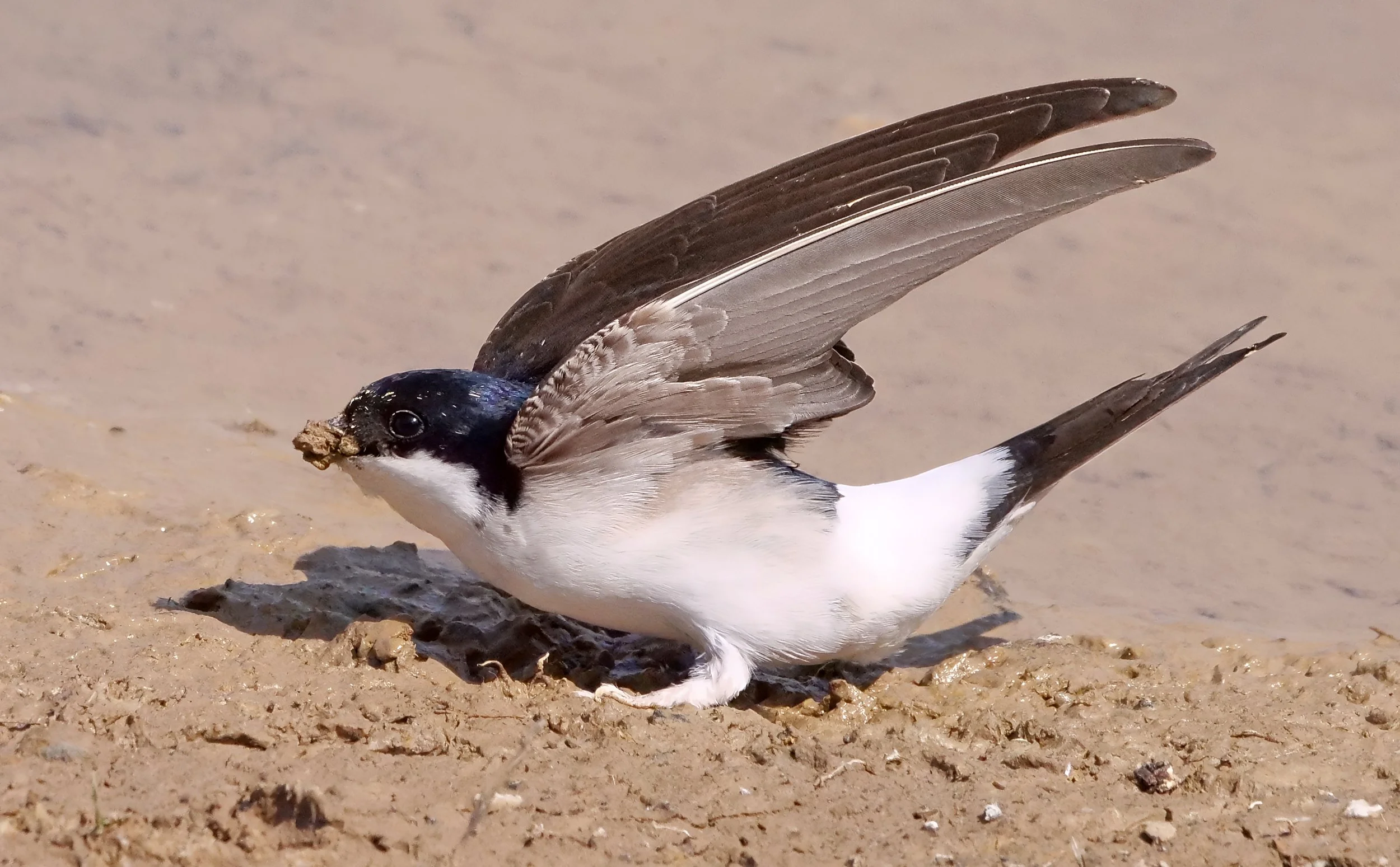
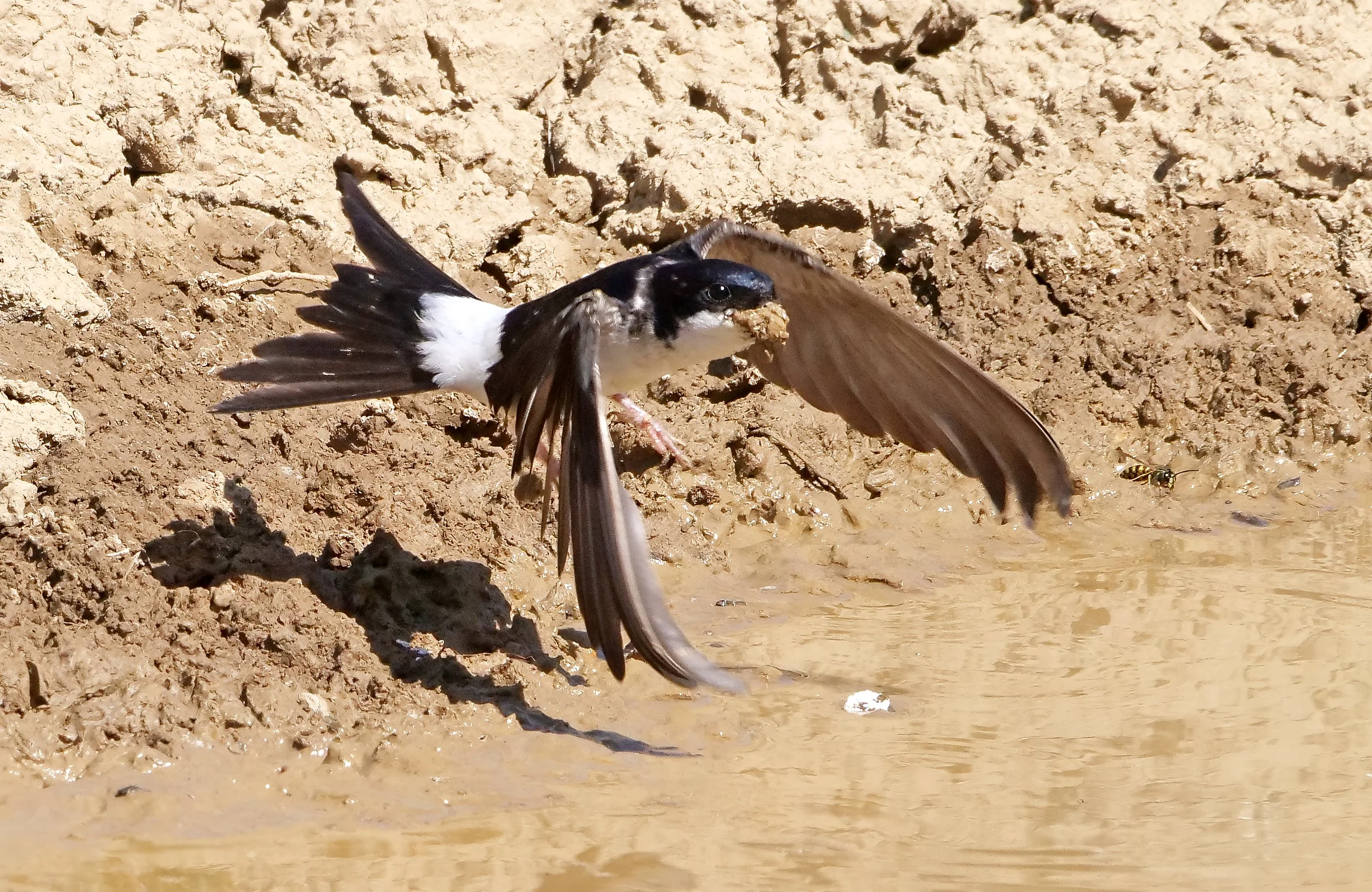
House Martin gathering mud for the nest.
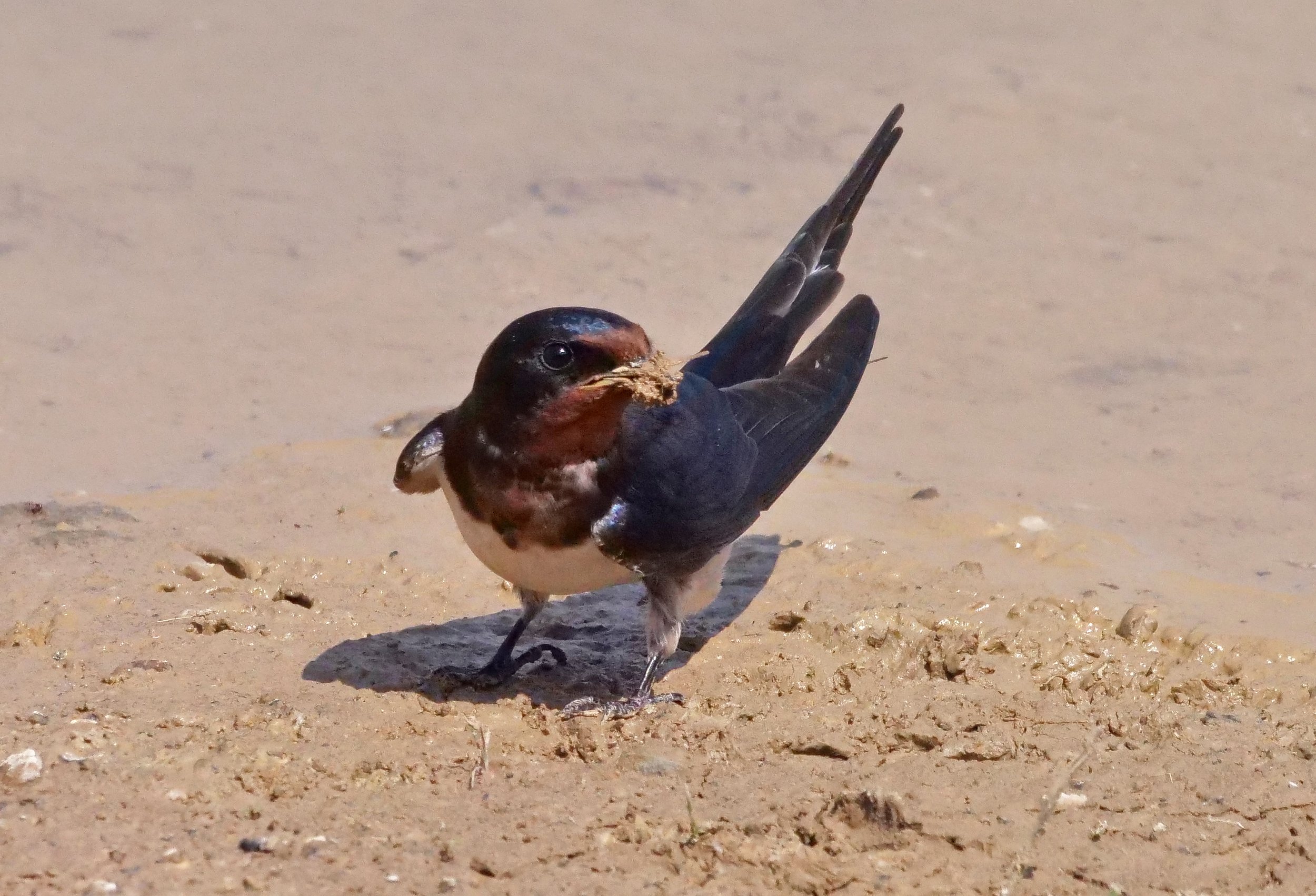
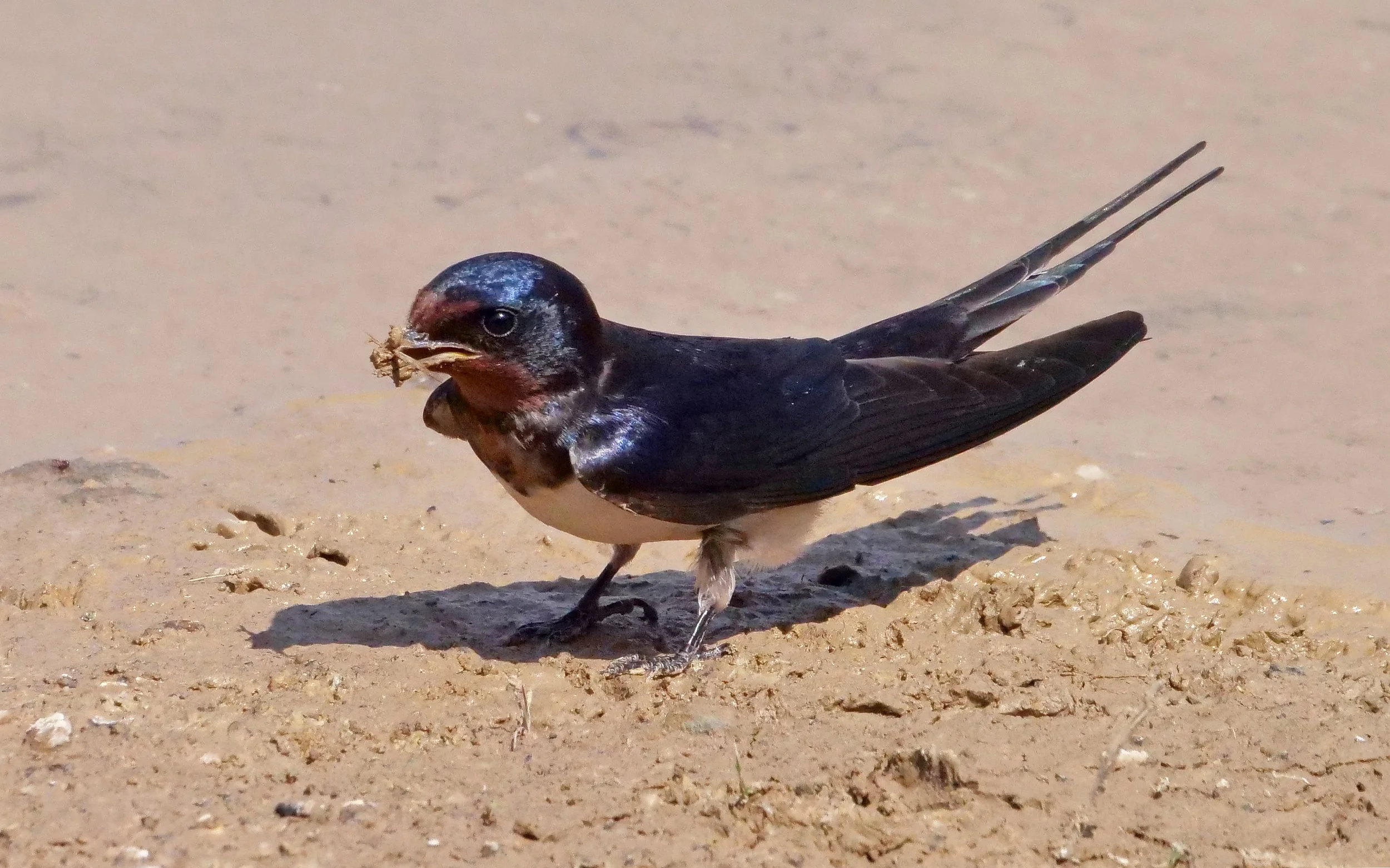
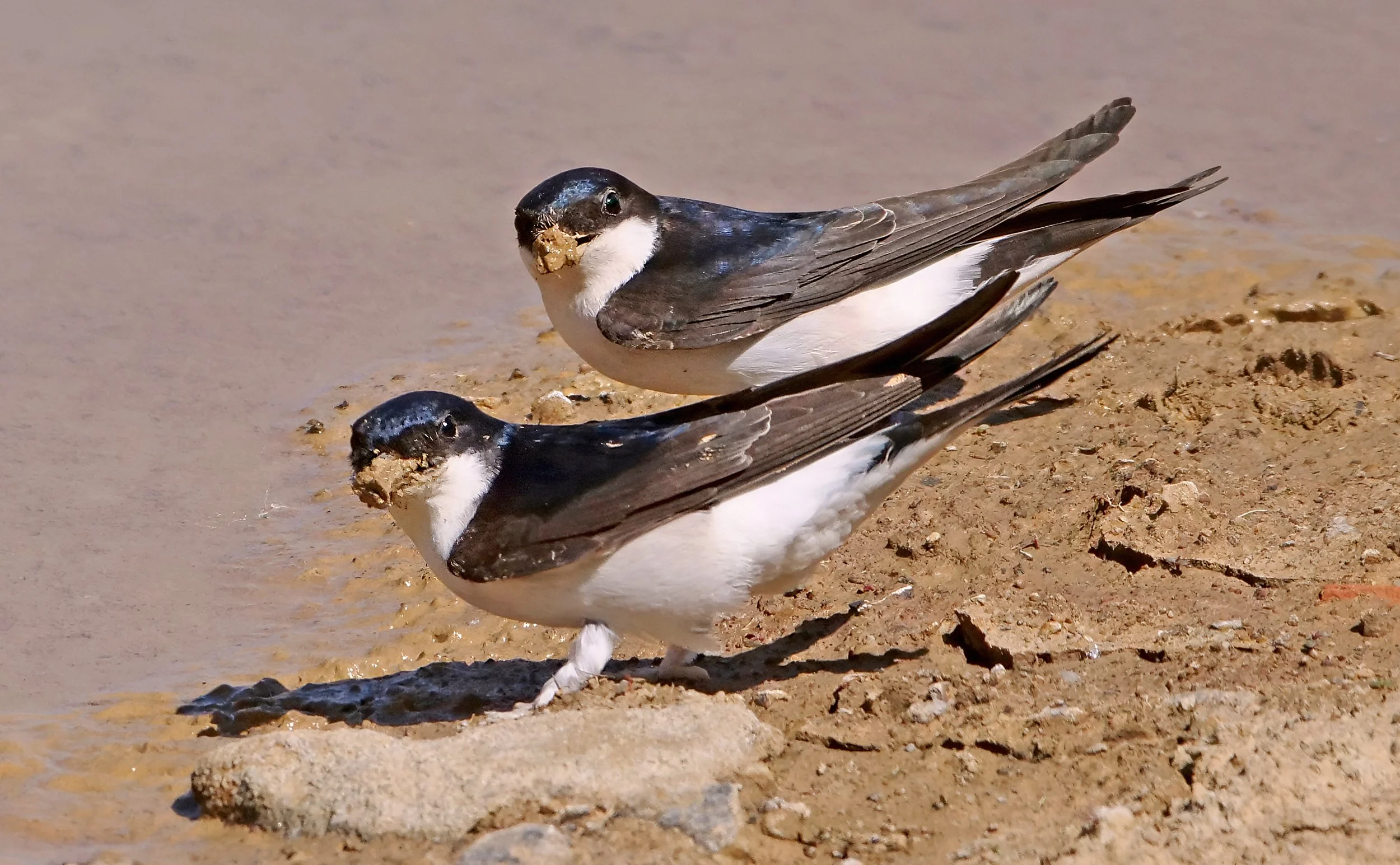
Swallow also gathering mud, usually with a tiny twig or small piece of vegetation.
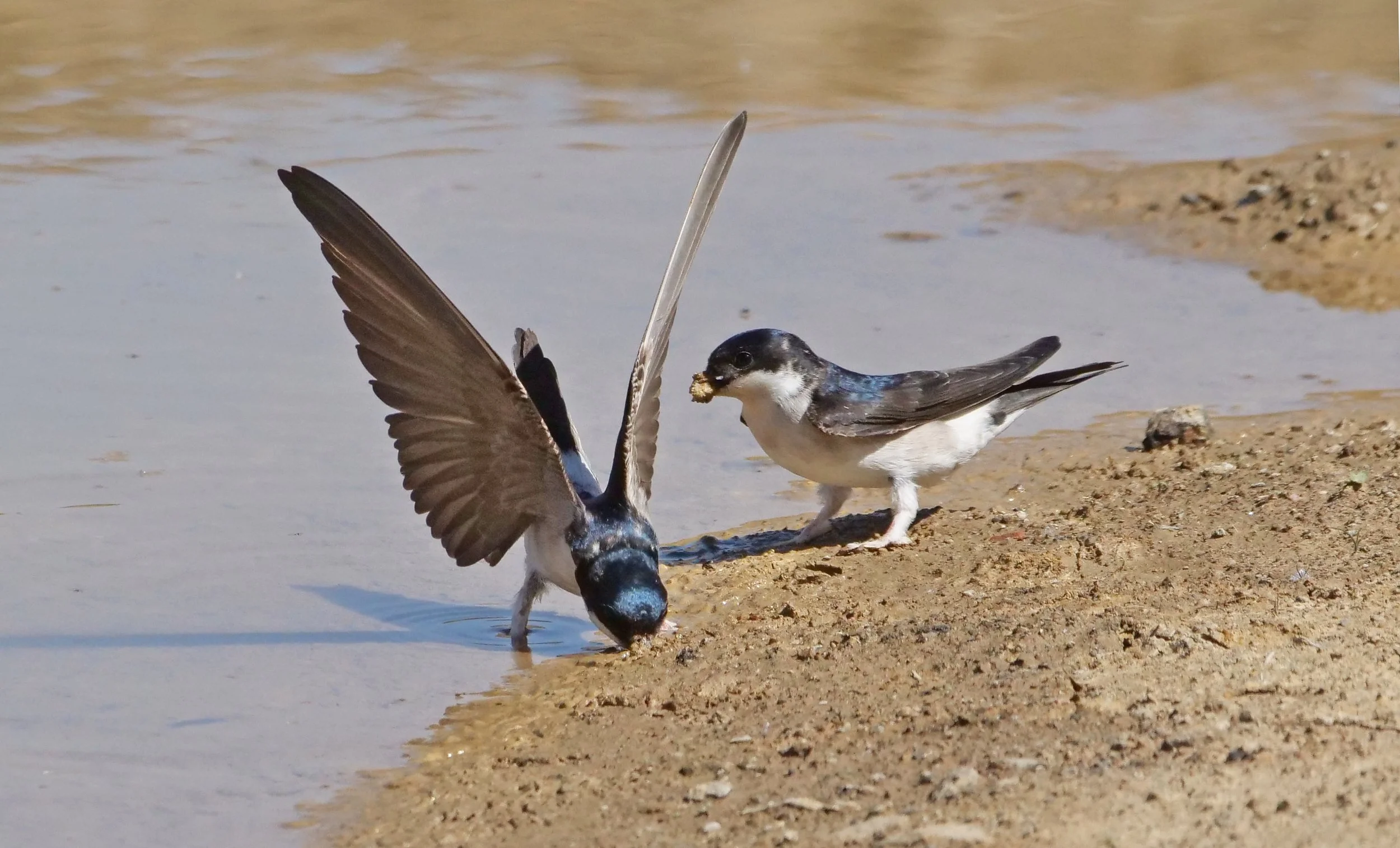
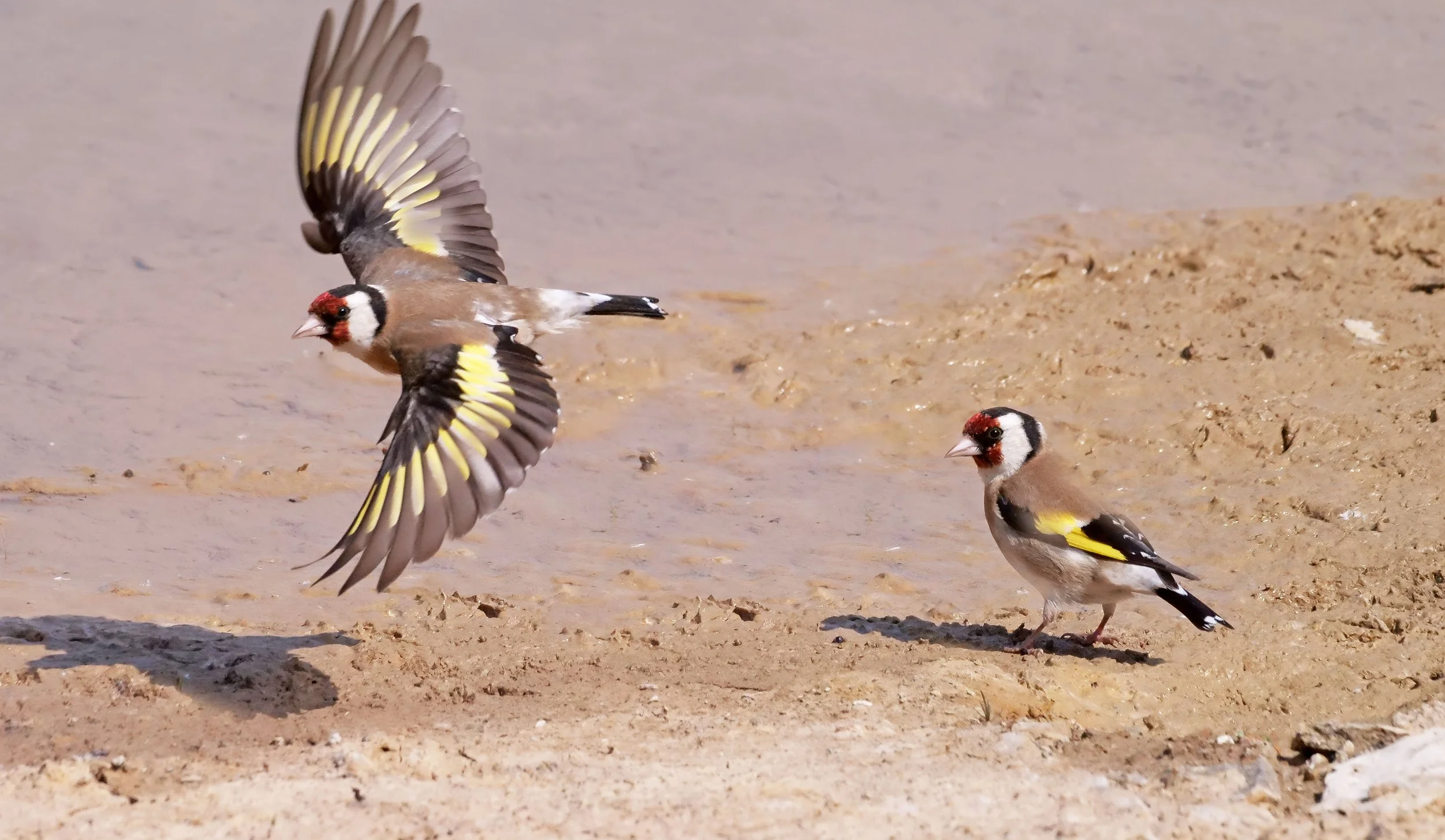
Goldfinches getting a drink.
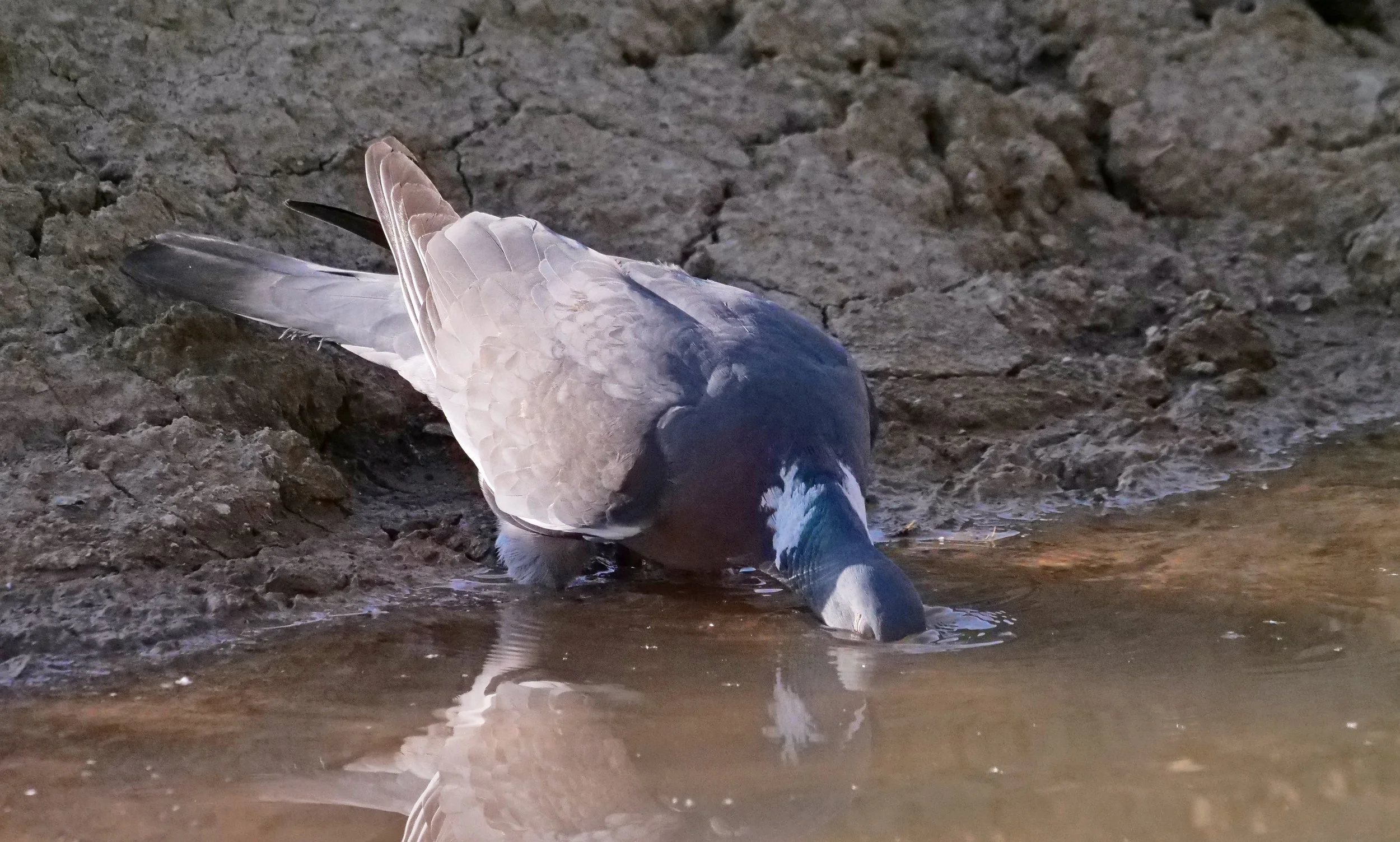
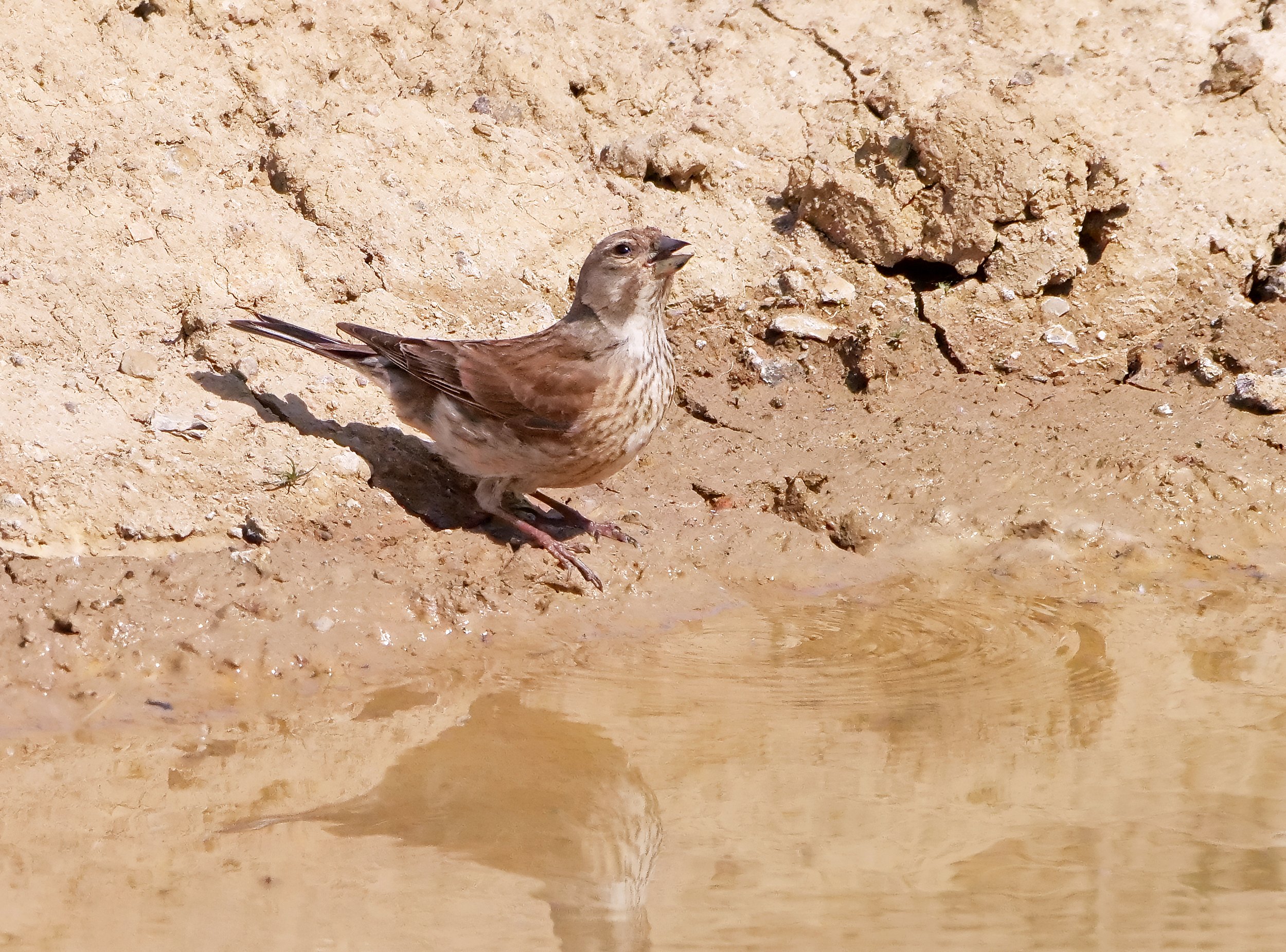
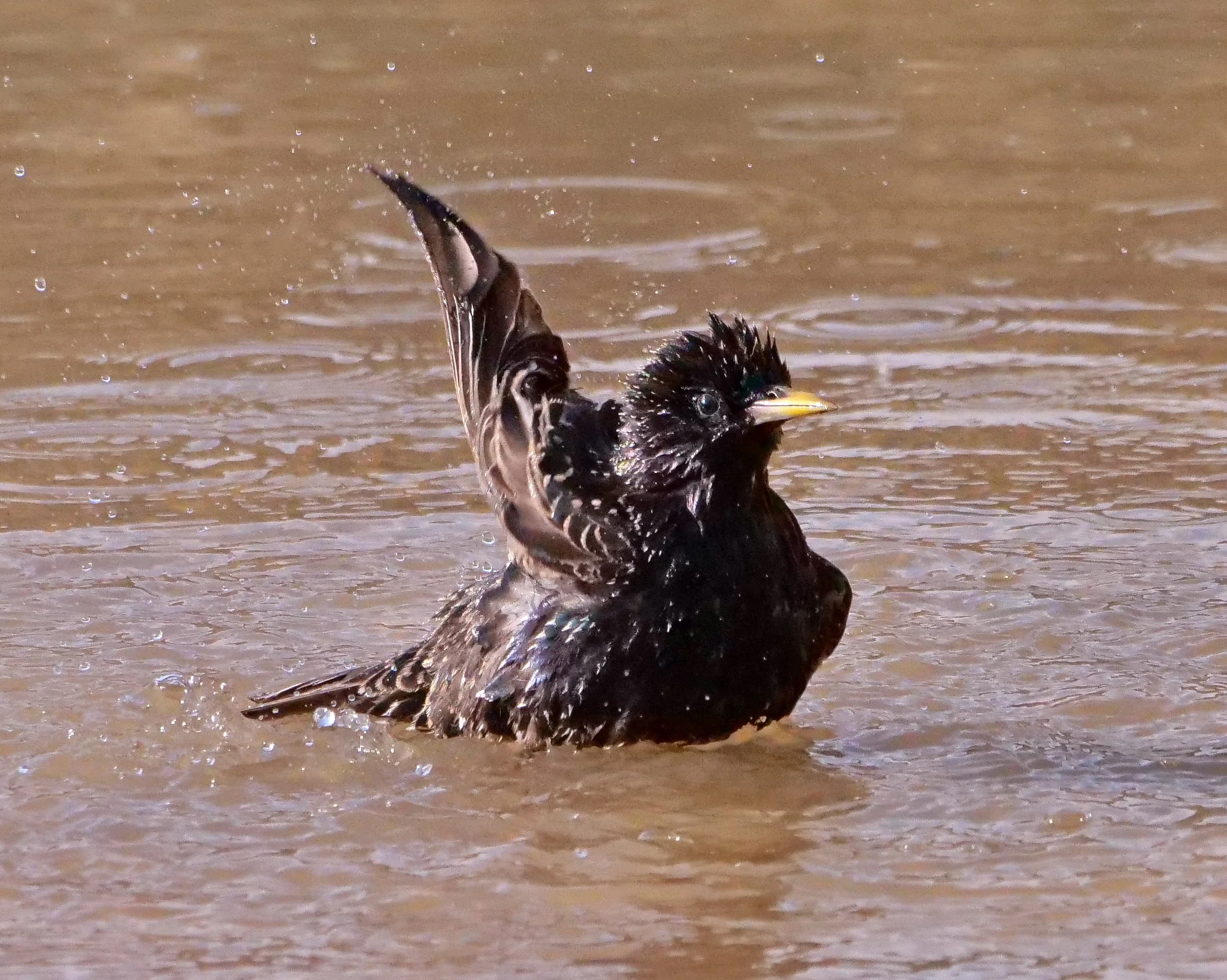
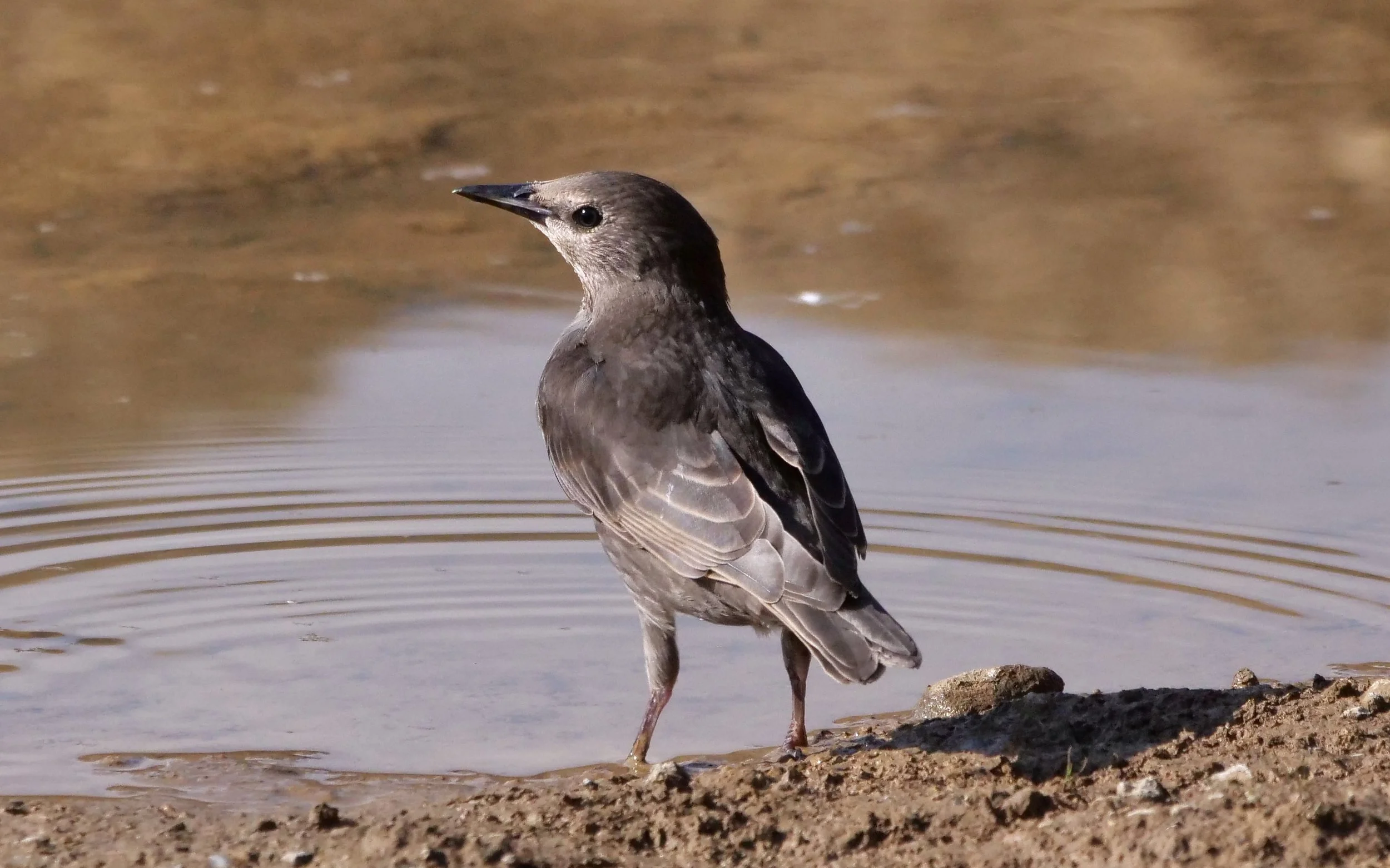
The pond became a very valuable water resource for wildlife during the hot summer months of 2026.
Haye Farm Wildlife - The Abundance of Insects
Haye Farm is managed using organic agricultural methods, allowing the site to remain completely free of chemicals such as pesticides and herbicides. Neighbouring farms also operate in similar fashion, as does the management of the Wyre Forest, which strongly aligns with nature‑positive, low‑intervention principles.
Haye Farm therefore sits within an area of significant size where wildlife can flourish. During the summer, the benefits of wildlife-friendly management were particularly obvious in the meadows, which were alive with insects. The numbers of bees and butterflies were astounding, as was the rich diversity of the insects. This clearly attracted many birds to the area, including 2 new breeding-bird species for Haye Farm - details in the Autumn 2026 newsletter. A healthy and diverse population of insect pollinators within the orchards is obviously of great benefit to the farm in terms of increased productivity of the fruits.
I enjoyed spending time in the meadows trying to capture images of the insects, in particular the colourful butterfies. I found it quite challenging, but I managed to obtain few images which I will include here. Happy wildlife watching. Dave.
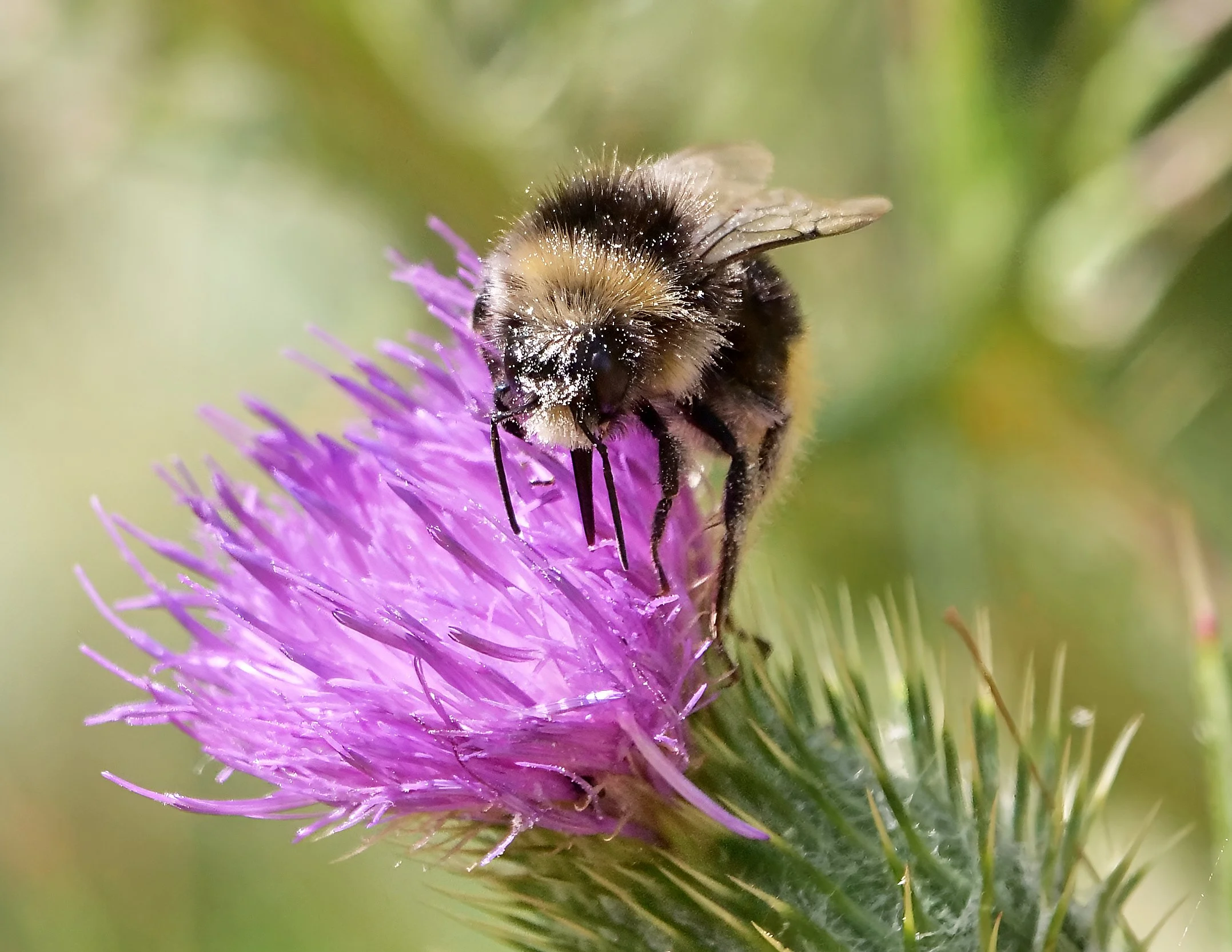
Common Carder Bee (Bombus pascuorum)
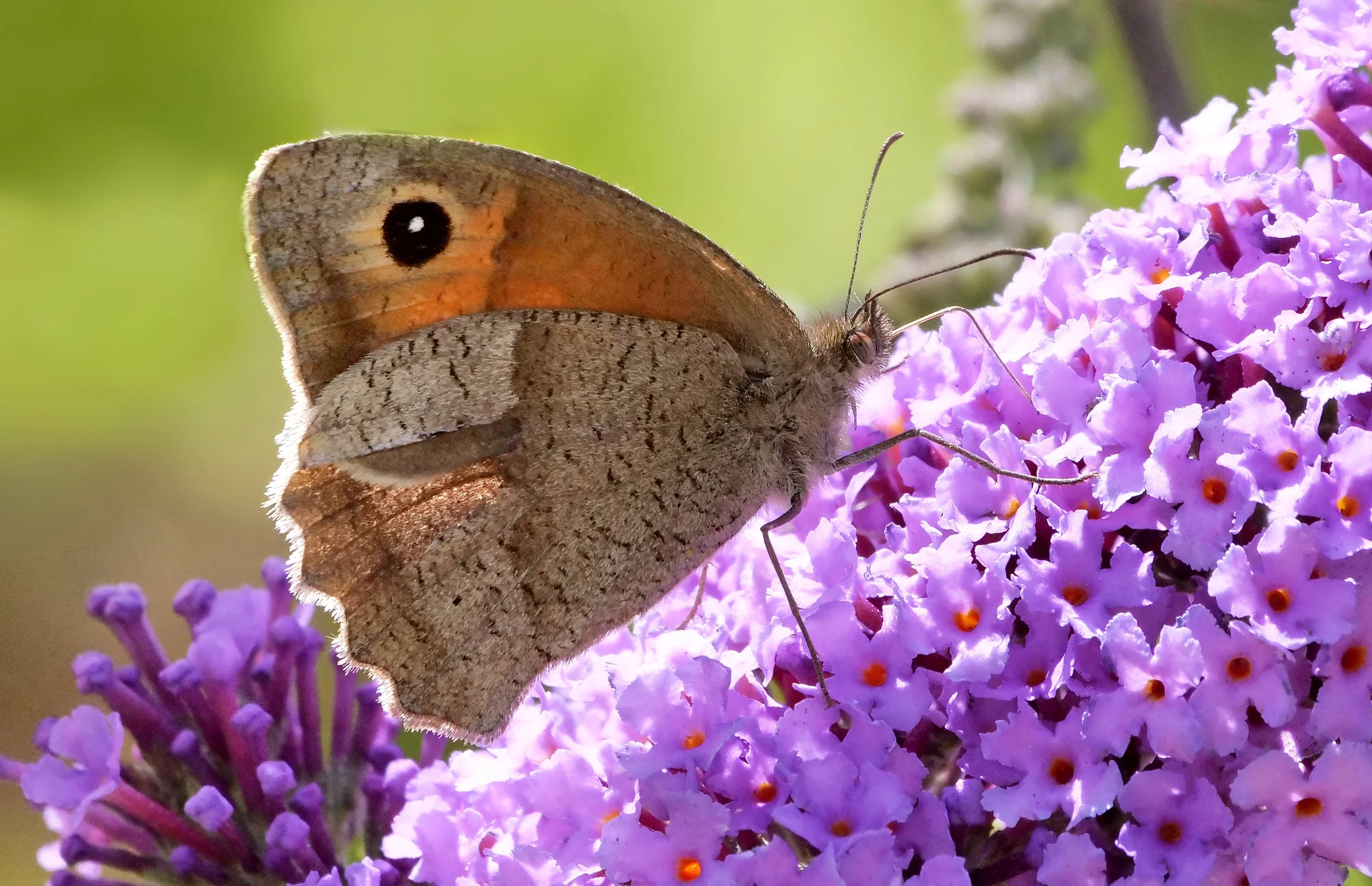
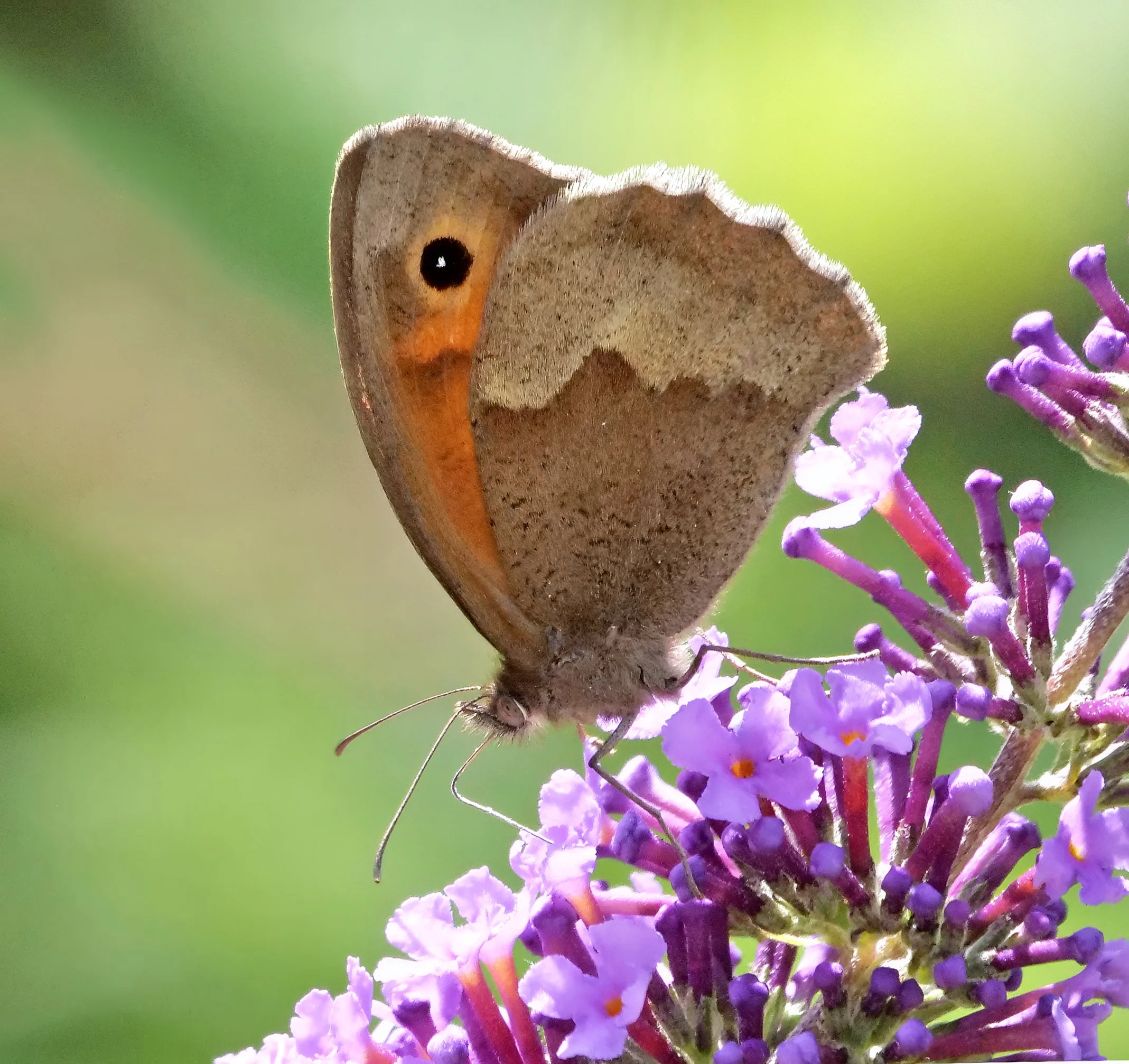
Meadow Brown butterflies (Maniola jurtina) were abundant in the meadows. These were feeding on a Buddleia in the cherry meadow.
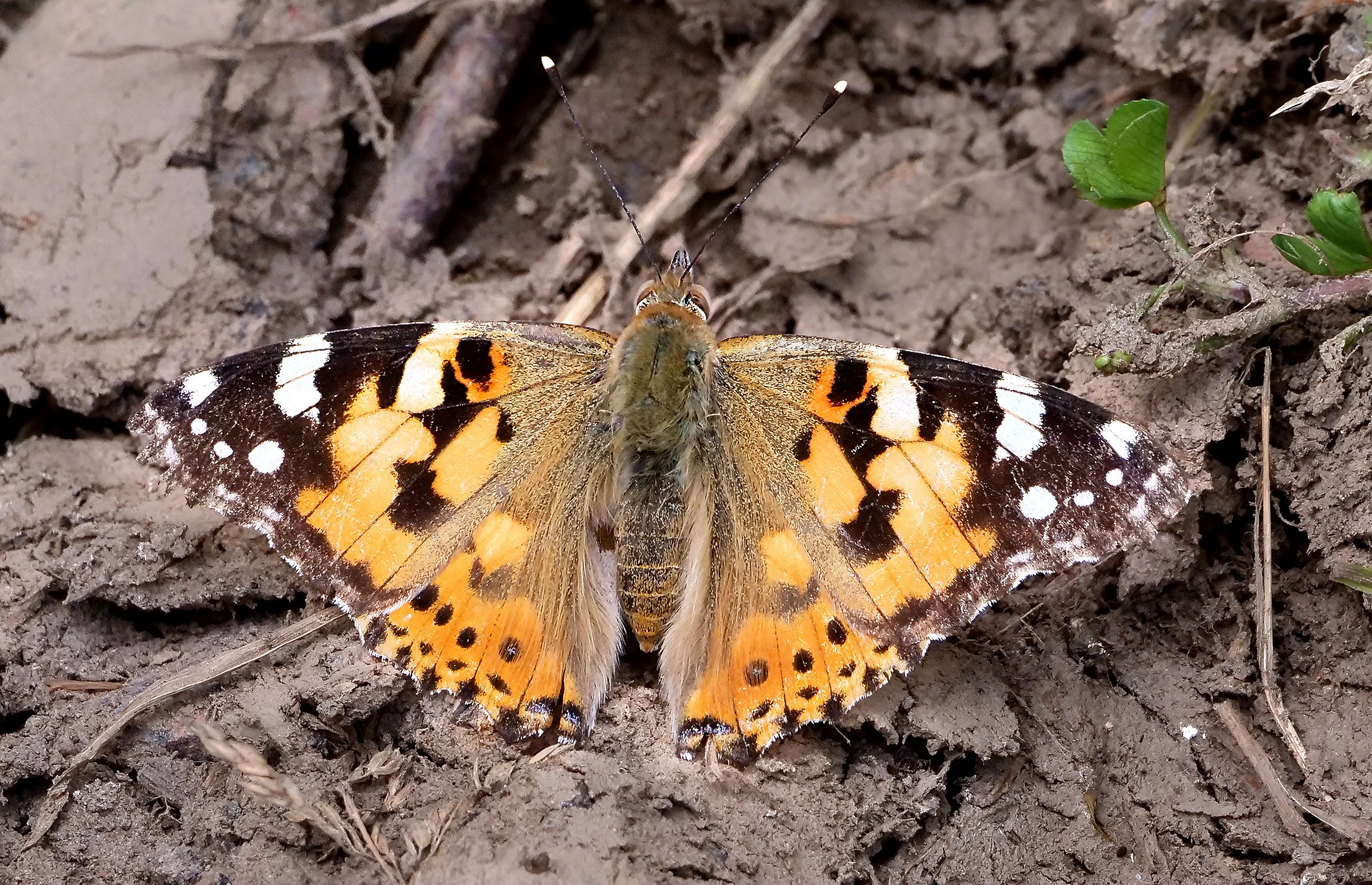
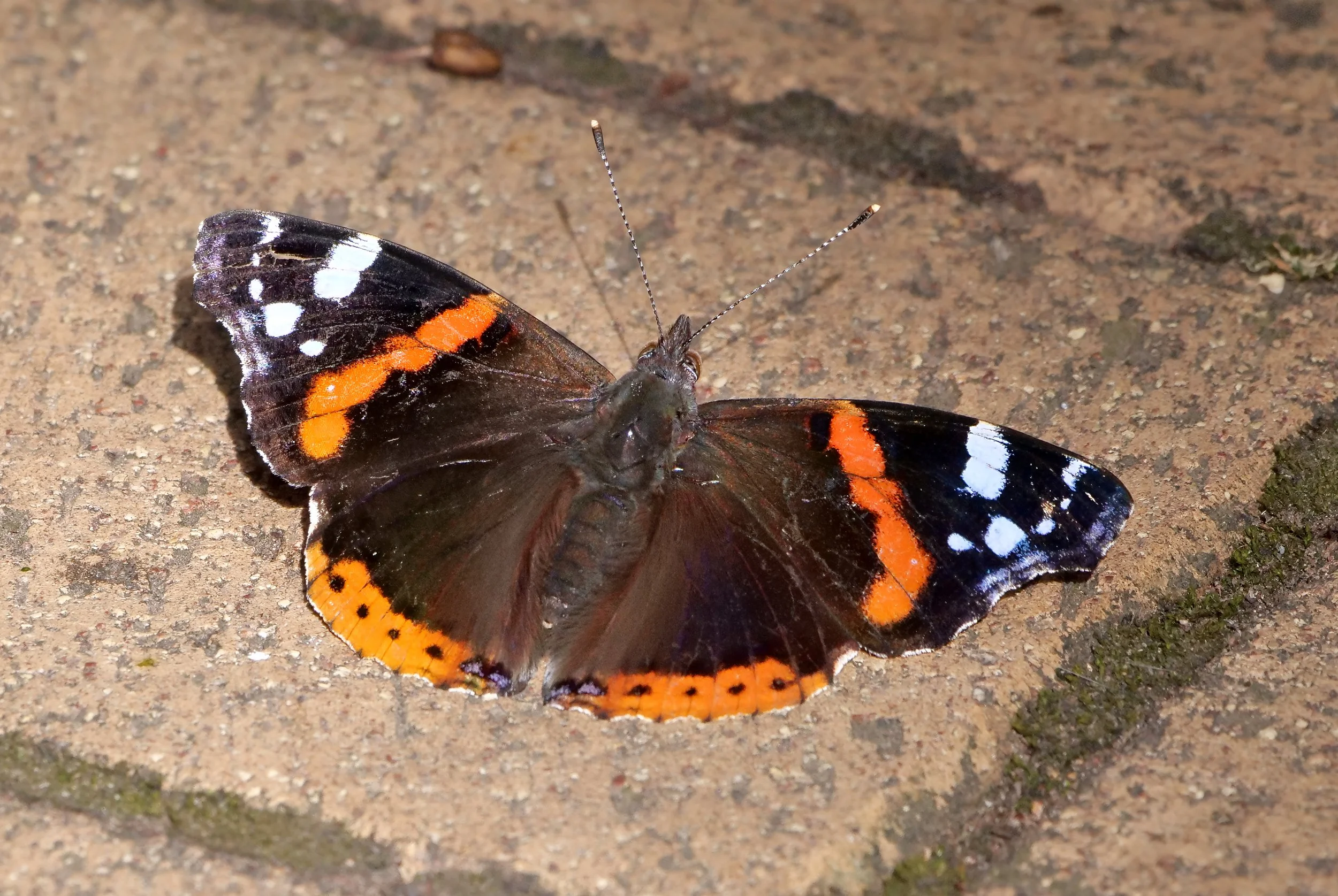
Beautiful Painted Lady (Vanessa cardui) and a Red Admiral (Vanessa atalanta) warming up during a sunny spell.
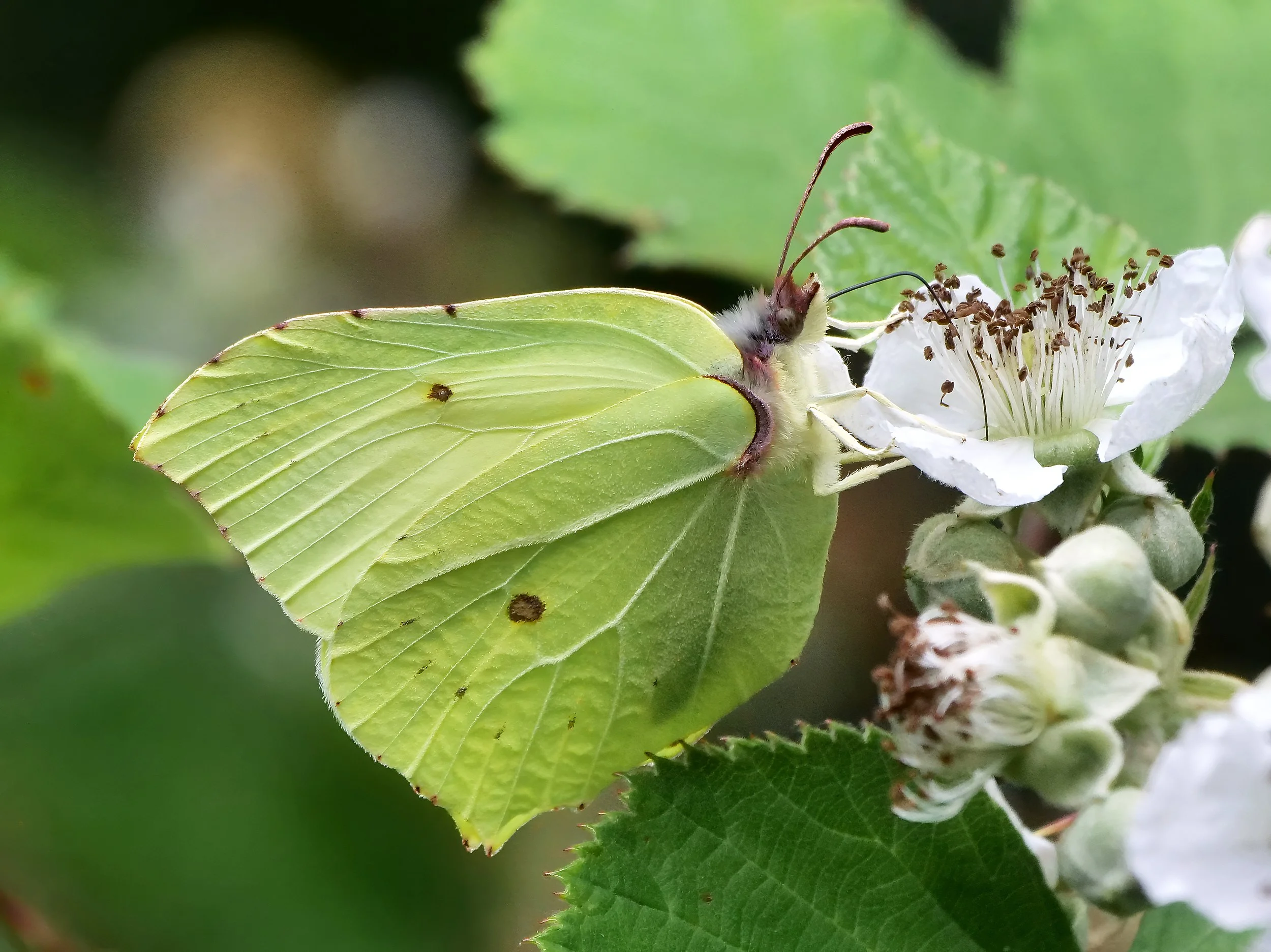
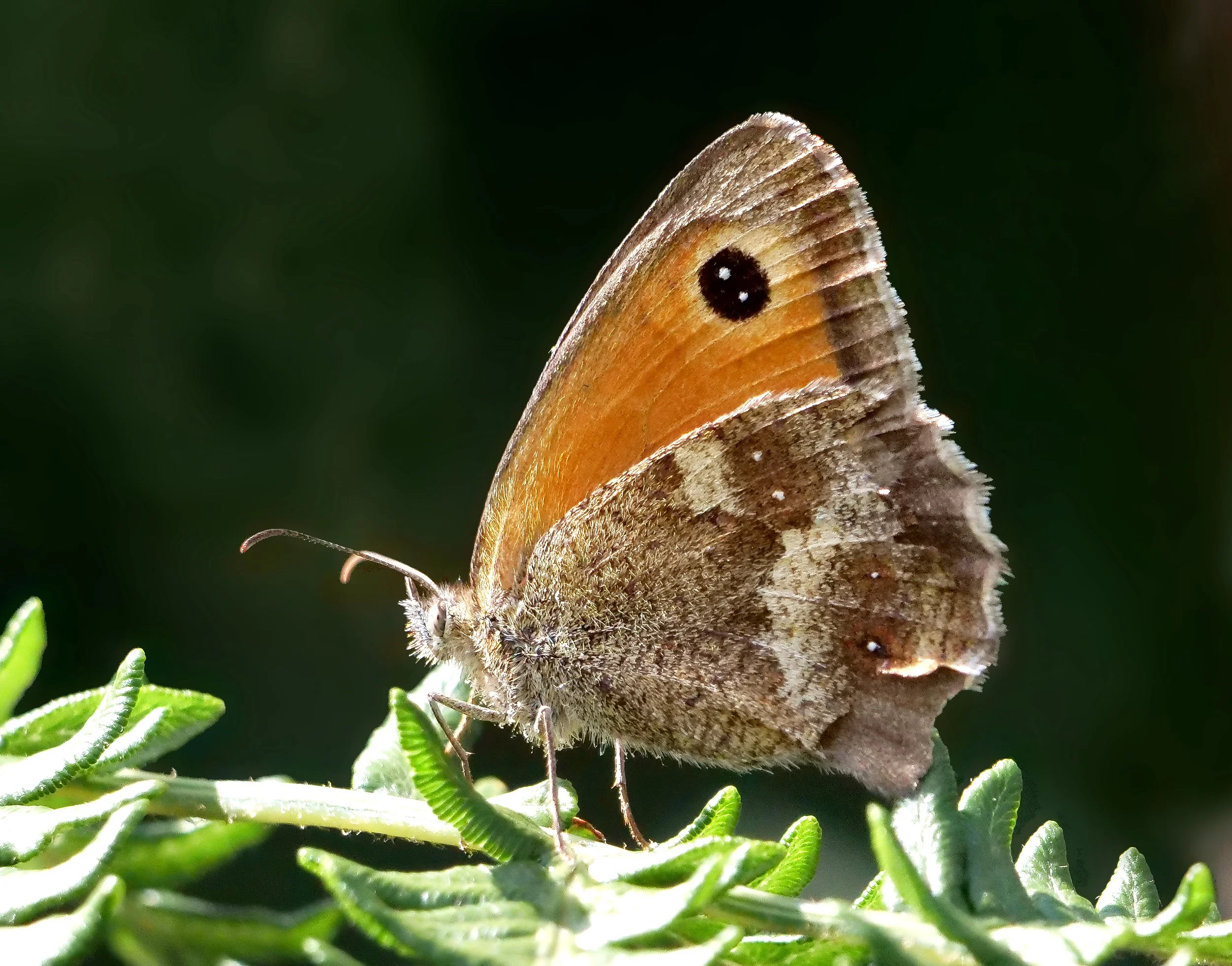
Brimstone butterfly (Gonepteryx rhamni) doing a great impression of a leaf, with a Gatekeeper (Pyronia tithonus). They loved the Oregano in the Forest Garden.
Similar to Meadow Brown butterflies, they are abundant at the same time. Note the two white dots within the black wing-spot. Meadow Browns have only one.
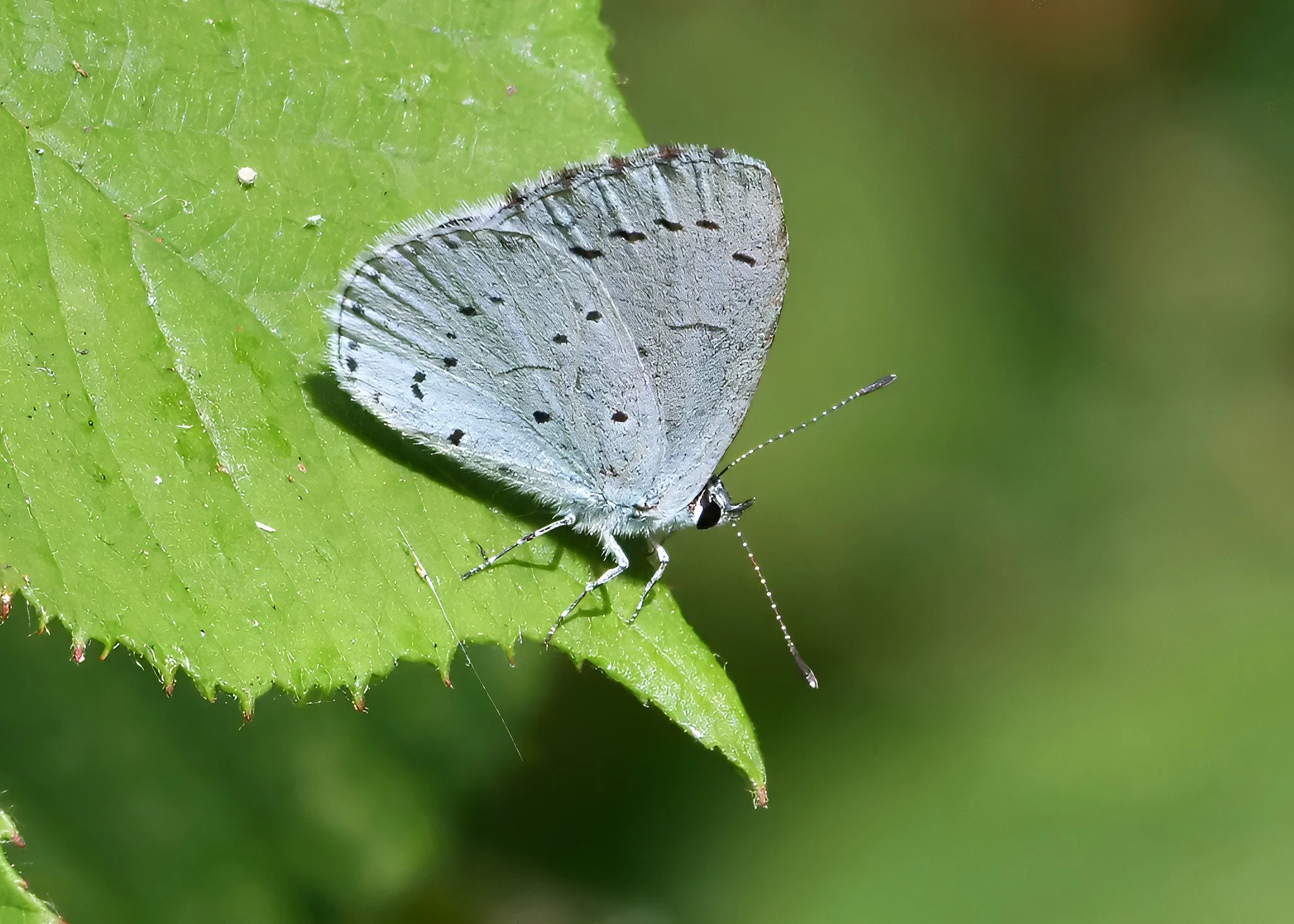
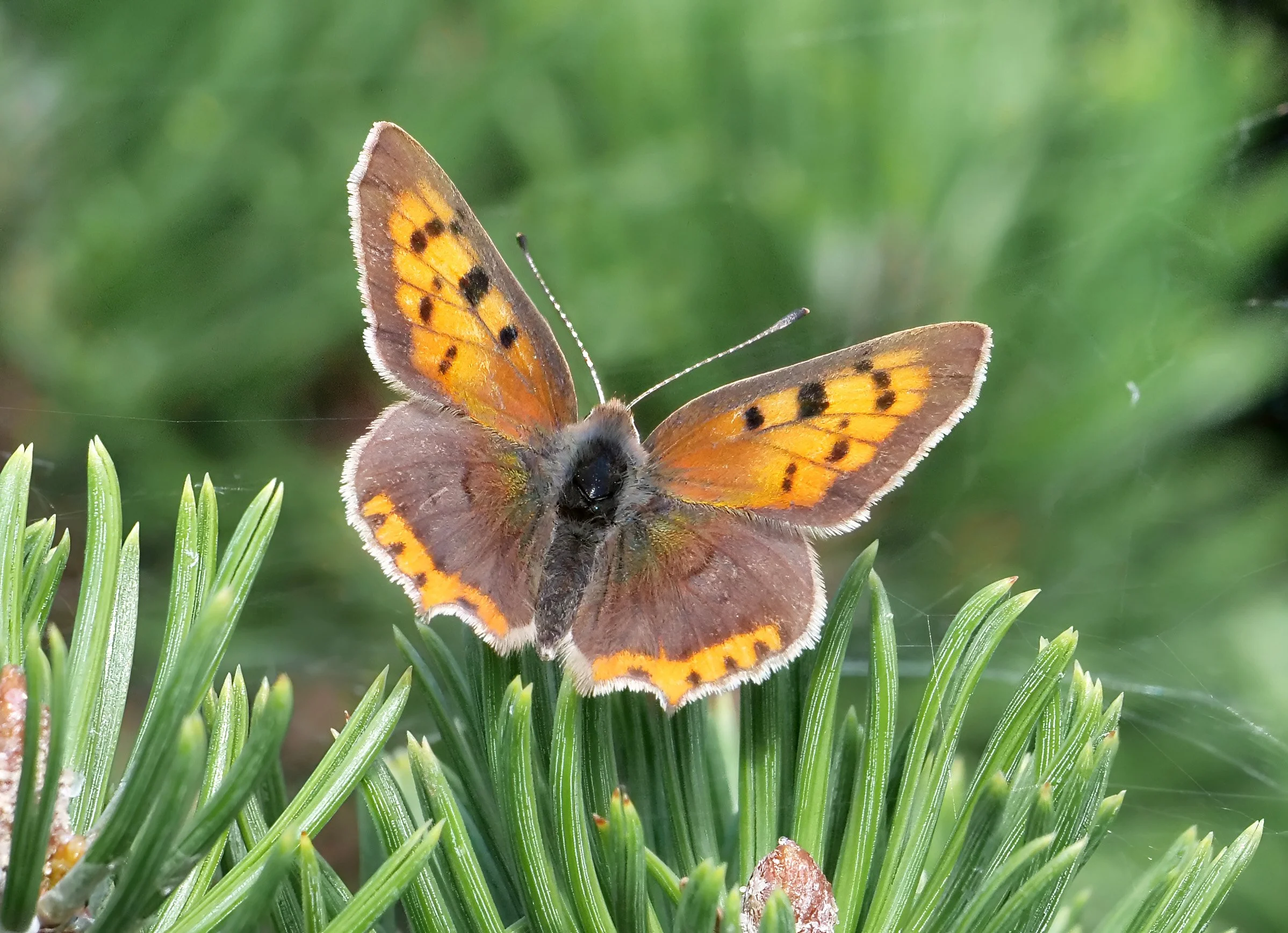
Holly Blue (Celastrina argiolus) and a Small Copper (Lycaena phaeas)